Four Christian T-Shirt Design Approaches
Christian t-shirt design is more than picking a Bible verse and a cross. It is about communicating faith, identity, and message in a way that resonates with the wearer and the viewer. Whether you are creating a shirt for personal use, a church group, a brand, or a gift, the approach you take can change how the message lands. Over the years, four distinct design strategies have emerged that serve different goals, audiences, and skill levels. Understanding these four approaches helps you choose the right path for your project, whether you are a first-time designer or a seasoned creator.
Different people care about Christian t-shirt design for different reasons. A beginner may want something simple and affordable. A professional artist might prioritize creative expression and originality. A business owner likely focuses on market appeal and profit margins. A consumer simply wants a shirt that feels authentic and looks good. This article walks through each of the four design approaches, explores who benefits most from each, and helps you decide which fits your needs.
Typography-Driven Designs
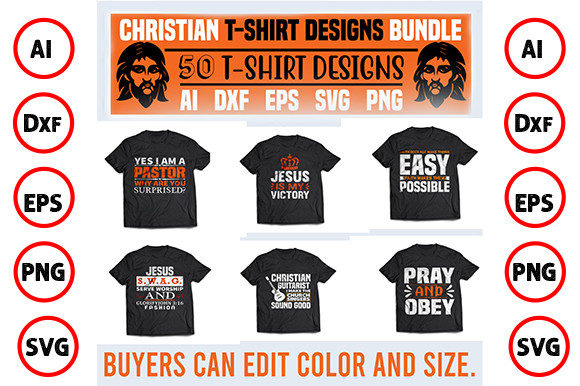
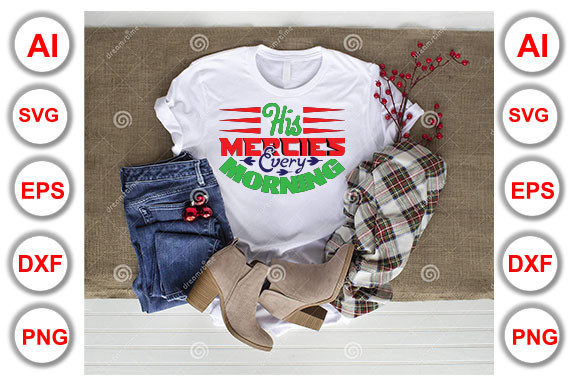
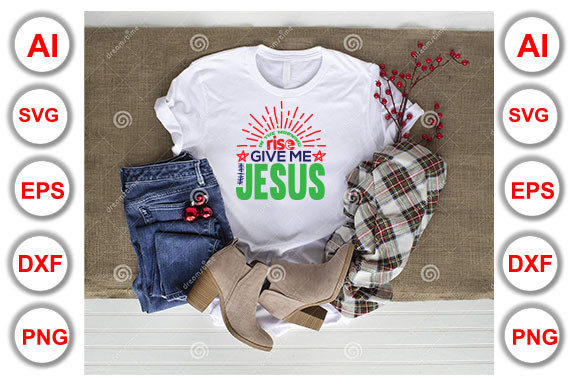
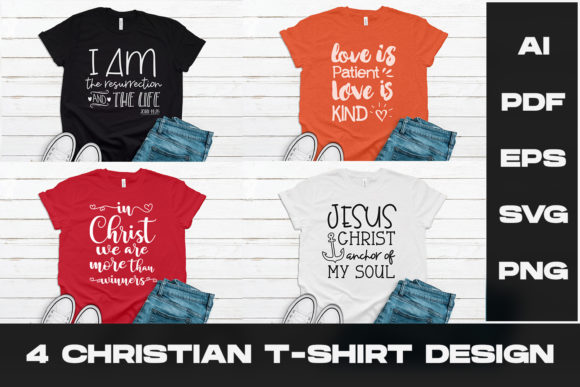
Typography-driven Christian t-shirt design puts the words first. The message is the centerpiece, and the lettering, layout, and font choices carry the emotional weight. This approach works well for verses, quotes, or single words like “Grace,” “Redeemed,” or “Faith Over Fear.” For beginners, typography-based designs are often easier to create because they rely less on illustration skills and more on selecting the right font and arranging text cleanly.
For a creator or hobbyist, typography offers endless room for experimentation. You can layer different fonts, add texture, or use hand-lettered styles to make the design feel personal. Tools like Canva, Adobe Express, or Procreate allow even a novice to produce professional-looking typography shirts. A small business owner might find this approach cost-effective because it requires fewer design hours and prints cleanly on most garment colors.
A consumer looking for a daily wear shirt might prefer typography designs because they tend to be subtle and easy to style. A hoodie with “John 3:16” in a modern serif can fit a casual wardrobe without screaming. For educators or pastors, typography shirts can serve as conversation starters without being overly artistic. The priority here is readability and emotional tone. A bold sans-serif font conveys strength, while a script font feels gentle and personal. When choosing typography, consider the garment color, the size of the text, and how the message will read from a distance.
Symbol and Icon-Based Designs
Symbol and icon-based Christian t-shirt design relies on visual shorthand. The cross, fish, dove, anchor, crown, or olive branch each carry deep meaning. This approach is powerful because symbols transcend language and cultural barriers. A simple line drawing of a cross with a sunrise can communicate resurrection hope without a single word.
For the experienced creator, icon-based designs allow for subtlety and sophistication. You can abstract the symbol, combine multiple icons, or embed the symbol into a pattern. A beginner might start with a clean silhouette of a cross and build from there. The commercial value of symbol-based designs is high because they appeal to a broad audience. A small business owner can create a series of shirts using different symbols and reach denominations, age groups, and style preferences.
Consumers often choose symbol-based shirts for their versatility. A small fish logo on the sleeve or a minimal cross on the chest works for both casual wear and semi-formal settings. For church groups or ministry teams, matching symbol shirts create unity without being loud. If you are designing for a church retreat or a youth group event, icons scaled down and placed over the heart or on the back of the neck keep the design respectful and wearable. The main priority with symbols is clarity. A busy or overly complicated icon loses impact. Stick to clean lines and recognizable forms.
Blending Symbols with Text
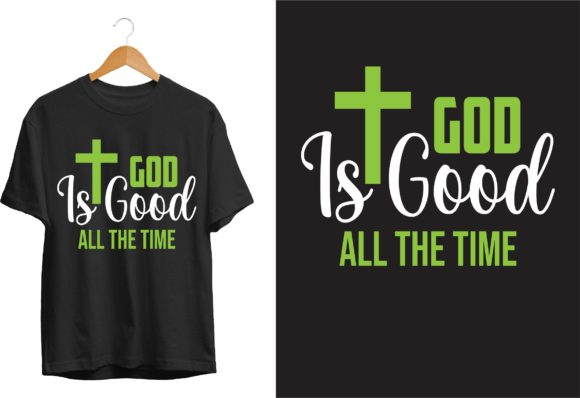
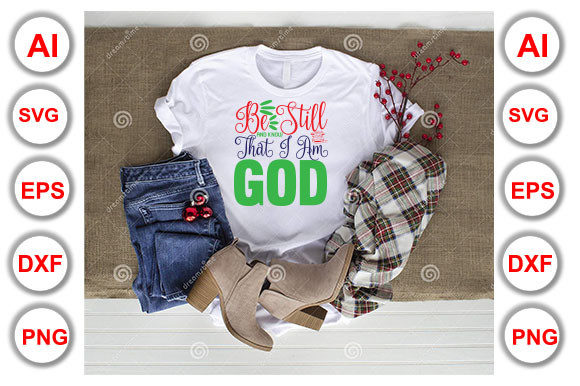
Many of the strongest Christian t-shirt designs combine typography and icons. A verse paired with a small symbolic element adds depth. For example, “Be Still” next to a minimalist wave or “He Is Risen” beside an empty tomb outline. This hybrid approach is popular among entrepreneurs because it offers both the clarity of words and the emotional pull of imagery. Beginners find this a good intermediate step before moving to full illustration. You can start with a simple icon and add text using a tool like Canva or even a basic photo editor. The balance matters. If both elements compete for attention, the design feels cluttered. Let one lead and the other support.
Illustrative and Narrative Designs
Illustrative Christian t-shirt design is for those who want to tell a story. This approach uses detailed artwork, scenes, or character illustrations to convey biblical narratives or spiritual concepts. Think of the Good Shepherd with sheep, the prodigal son returning, or a garden with a cross. These designs require more skill and time, but they reward the wearer with a shirt that sparks curiosity and conversation.
For the professional artist or experienced creator, illustrative designs are where creativity shines. You can develop a unique style that becomes your signature. A digital illustrator might use layers and shading to create a cinematic feel. A hand-drawn artist can scan and clean up inking for a raw, organic look. Beginners should not shy away from this approach entirely. You can start with simplified line art or traceable styles and gradually build complexity. The learning value of illustrative design is immense. You practice composition, perspective, color theory, and visual storytelling all at once.
Business owners who produce illustrative shirts often target niche audiences. A shirt aimed at children’s ministry might feature cartoon-style parables. A design for adult Bible study groups might use more abstract or painterly art. The cost of producing illustrated shirts can be higher due to more colors or printing techniques, but the perceived value is often greater as well. Consumers buy illustrative shirts because they feel like wearable art. They express a deeper connection to the story. If you are designing for yourself, an illustrative shirt might become your favorite because it reflects your personal journey of faith.
Practical Considerations for Illustrative Designs
When working with detailed artwork, consider the printing method. Screen printing works best for limited colors, while DTG or direct-to-garment printing allows for full-color illustrations. The fabric also matters. A detailed design on a thin cotton tee may not show detail as well as a thicker blend. For creators and business owners, test prints on different fabrics before mass production. For hobbyists, small batch printing through print-on-demand services like Printful or Teespring makes experimentation affordable. You can release one design, see the response, and iterate without financial risk.
Minimalist and Contemporary Designs
Minimalist Christian t-shirt design strips away everything except the essential. A single line, a simple shape, a short word, or a subtle placement. This approach has grown popular because it fits modern fashion sensibilities. Minimalist designs feel intentional, clean, and mature. They do not shout. They whisper. Many adults aged twenty to fifty prefer this style because it integrates into a professional or social wardrobe without feeling like a costume.
For beginners, minimalism is forgiving. A small cross on the hem or a tiny “faith” in lowercase can look sophisticated with little effort. The key is precision. Sizing, spacing, and placement matter more when there is less to look at. A design that is off-center by half an inch becomes noticeable. For the entrepreneur, minimalist designs reduce production complexity. Fewer colors, smaller print area, and simpler artwork mean lower costs and easier inventory management.
Experienced creators may embrace minimalism as a discipline. It forces you to communicate the most with the least. A single curve that suggests a fish, a dot and line that form a cross, or a negative space design where the shape emerges from the background. These designs often win in long-term usefulness. They do not go out of style quickly. A consumer buying a minimalist Christian shirt might wear it for years because it does not scream a trend. For educators and bloggers, minimalist shirts look professional enough for video calls or public speaking while still carrying a personal statement.
Matching the Approach to Your Goals
Choosing among these four Christian t-shirt design approaches depends on who you are and what you need. If you are a beginner wanting a quick, effective design, start with typography or minimalism. If you are an artist or creator looking to express a vision, go with illustration or symbolic abstraction. If you are a business owner or marketer, consider the balance between cost, production ease, and audience appeal. Typography and minimalist designs often yield higher margins. Illustrative and symbol-based designs can command higher prices if executed well.
For a church group or ministry, think about the event and the audience. A youth retreat may call for bold typography or pop-culture-inspired illustrations. A Sunday morning service might suit minimalist or icon-based designs. For personal use, choose what you want to communicate about your faith. A single word on the chest can be a daily reminder. A detailed illustration can be a conversation starter. The best design is the one that feels true to your voice and fits the context where you will wear it.
Ultimately, Christian t-shirt design is not about perfection. It is about connection. The design on a t-shirt can open a conversation, encourage someone, or silently affirm your own beliefs. Whether you create one shirt for yourself or launch a full product line, understanding these four approaches gives you a framework to make decisions with confidence. Start with the approach that matches your skill level today, then experiment with others as you grow. Each method has its own strengths, and the best designers borrow from all four.