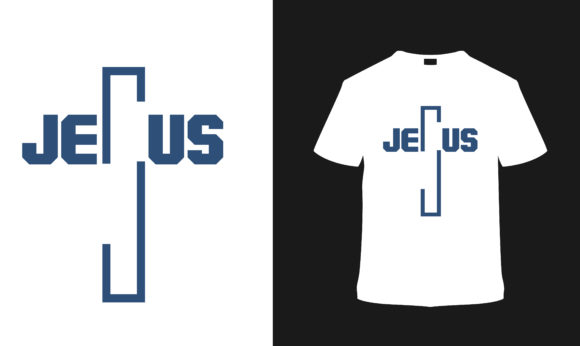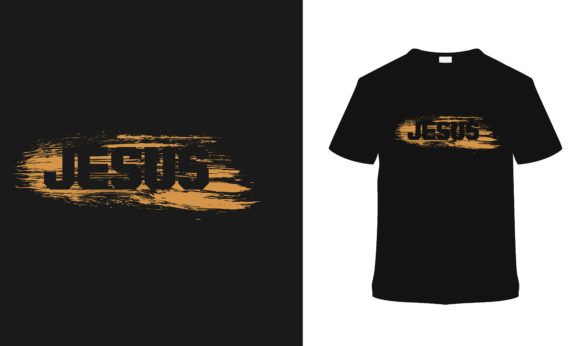
Jesus T Shirt Design: Faith Meets Creative Expression
Designing a Jesus T shirt is more than slapping a cross on cotton. It is a creative act that sits at the intersection of faith, culture, and visual communication. Whether you are a designer building a brand, a blogger exploring identity, or a small business owner looking for a product that resonates, the Jesus T shirt offers a surprisingly rich canvas. It carries meaning, sparks conversation, and, if done well, becomes something people genuinely want to wear.
The best designs do not preach. They invite. They reflect a personal connection to faith while remaining visually compelling to a broad audience. That balance is what makes this niche so interesting and, frankly, useful for anyone working in creative fields.
What Makes Jesus T Shirt Design Distinct
Unlike generic graphic tees, a Jesus T shirt carries symbolic weight. The imagery and typography you choose communicate values, beliefs, and even a sense of belonging. This is not a neutral product. It is a statement. And that is exactly what makes it a powerful tool for connection.
From a design perspective, you are working with elements that have centuries of visual history: crosses, doves, crowns of thorns, fish symbols, and scripture references. The challenge is to take these familiar symbols and present them in a way that feels fresh, respectful, and wearable. The best designs avoid cliché without losing the core message. They use negative space, modern typography, and thoughtful color palettes to create something that looks like it belongs in a contemporary wardrobe while still honoring its subject.
For the creator, this means thinking about composition, texture, and audience psychology. A minimalist line-art cross on a cream tee reads differently than a bold, graffiti-style illustration on black. Both can work, but they speak to different people and different contexts.
Creative Possibilities and Styles to Explore
The range of visual approaches available for a Jesus T shirt is broader than many assume. You are not limited to one aesthetic. Here are several directions worth considering, each with its own creative logic and audience appeal.
- Minimalist and modern. Clean lines, sans-serif typography, subtle iconography. This style appeals to younger adults and creatives who value understatement. A single word like Grace or Redeemed in a refined typeface can carry more weight than a crowded illustration. The key is precision. Every pixel must earn its place.
- Hand-lettered and calligraphic. Custom lettering gives a personal, artisan feel. Hand-drawn scripture verses or faith-based phrases feel authentic and original. This style works well for small-batch releases and Etsy shops. It signals craft and care.
- Illustrative and narrative. Think visual storytelling. A simple depiction of a fisherman’s net, a shepherd with a staff, or a single thorn. These designs hint at broader biblical narratives without being literal or preachy. They reward the viewer who knows the reference while remaining accessible to everyone else.
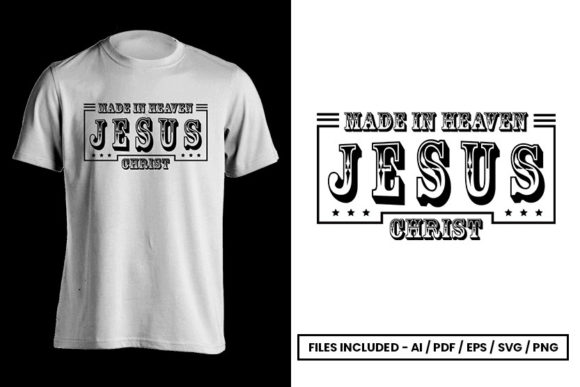
- Vintage and worn. Distressed textures, retro color palettes, and typography inspired by old signage. This style taps into nostalgia and feels grounded. It suits audiences who appreciate history and authenticity. A vintage-style Jesus T shirt often feels like a found treasure.
- Abstract and symbolic. Use shape, color, and form to suggest spiritual concepts. A broken circle representing wholeness. A gradient suggesting light. These designs appeal to people who prefer subtlety and art-forward thinking. They work well in gallery-adjacent markets or creative communities.
Each of these styles can be adapted for different platforms. A minimalist design might perform well on Instagram as a clean product shot. A hand-lettered piece could become a content series showing the creation process. The design itself dictates the story you tell around it.
Adapting Designs for Different Audiences
Not every Jesus T shirt design serves every audience. Understanding who you are designing for determines your choices in typography, color, imagery, and even fabric weight. A design aimed at a youth group retreat will look different from one intended for a 35-year-old entrepreneur who wears button-ups to meetings but wants a weekend tee with meaning.
For younger audiences (teens through early twenties), bold graphics, streetwear influences, and contemporary typography tend to resonate. Think oversized fits, high-contrast colors, and designs that feel more like art prints than traditional religious merchandise. This group values authenticity and self-expression. They want a design that reflects their faith without making them feel like they are wearing a billboard.
For adults aged thirty to fifty, the preference often shifts toward quality and restraint. A well-made shirt with a thoughtful, subtle design signals maturity and intentionality. Neutral tones, premium fabrics, and refined details matter. This audience is less interested in trends and more interested in longevity. They want a shirt they can wear to a casual dinner, a weekend gathering, or a walk in the park without it feeling costume-like.
For marketers and small business owners, the lesson is clear: know your audience and design accordingly. A single design cannot reach everyone. Instead, create variations that speak directly to specific groups. Use customer feedback, social media polls, and sales data to refine your approach. The Jesus T shirt market is diverse, and there is room for multiple voices.
Practical Inspiration for Creators and Designers
If you are looking for concrete starting points, consider these project ideas. They blend creative exploration with real-world usability.
- One symbol, three ways. Take a single element like a cross or a fish and design three completely different versions: minimalist, illustrative, and typographic. This exercise sharpens your versatility and gives you a mini-collection to test with your audience.
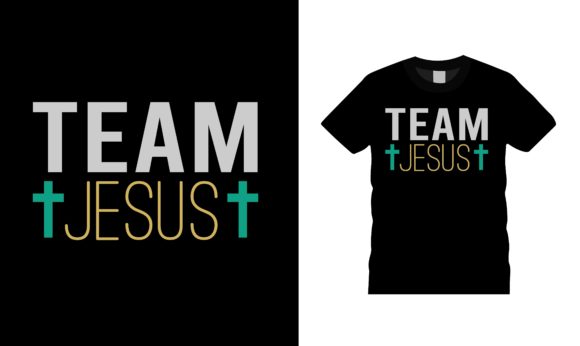
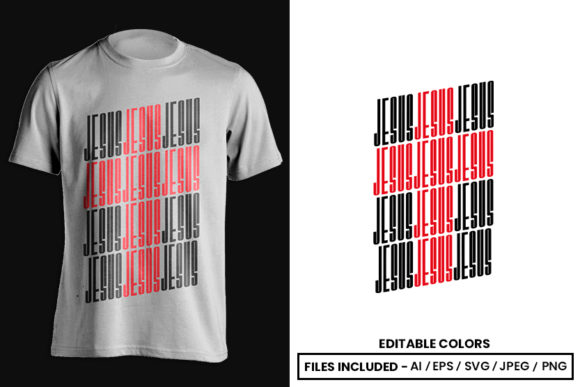
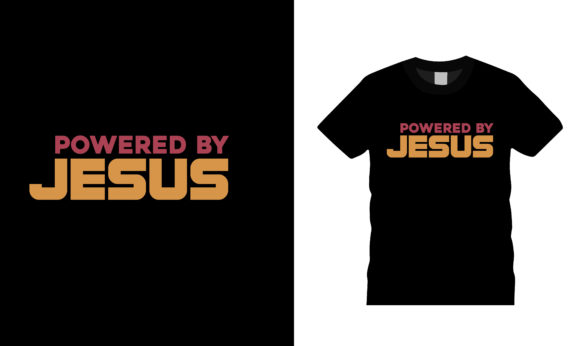
- Typography-only series. Choose five short faith-based words or phrases and design each as a standalone T shirt. Focus on typeface selection, kerning, layout, and color. Typography-driven designs are especially effective for online sales because they photograph well and read clearly in thumbnails.
- Collaborative drop. Partner with a local calligrapher, illustrator, or photographer to create a limited-run series. Collaboration expands your audience and brings fresh perspectives into your work. It also creates a story that customers love to share.
- Seasonal or event-based designs. Easter, Christmas, or a local faith conference are natural touchpoints. A seasonal design can capture attention during specific times of the year and create urgency. Keep the design timeless enough that it still feels wearable after the event passes.
These ideas are not theoretical. They are practical routes to building a portfolio, testing the market, or simply expressing your own creative voice. The Jesus T shirt is a medium, not a limitation.
Keeping Designs Clear, Effective, and Audience-Friendly
Clarity matters more than complexity. A design that tries to say everything ends up saying nothing. The most effective Jesus T shirts do one thing well. They communicate a single idea, feeling, or reference with confidence. Every element supports that core intention.
Here are principles to keep your work grounded.
- Limit your palette. Two or three colors maximum on the design itself. Too many colors confuse the eye and increase production costs. A restrained palette forces you to make deliberate choices about contrast and hierarchy.
- Prioritize legibility. If your design includes text, test it at small sizes and from a distance. If you cannot read it quickly, neither will a customer scrolling on their phone. Typography should serve the message, not compete with it.
- Consider placement. A center chest design is classic, but a small left-chest mark or a vertical design along the side seam can feel fresh. Placement changes how a shirt is perceived and worn. Experiment with location as part of your creative process.
- Think about the blank. The shirt itself is part of the design. Color, fabric texture, and fit all affect how the artwork reads. A design that works on a white tee may lose impact on a heather gray or navy. Mock up your designs on the actual garments you plan to use.
- Test with real people. Show your designs to someone outside your immediate circle. Honest feedback reveals blind spots. Ask what they see first, how they feel, and whether they would wear it. Listen more than you defend.
Consistency comes from having a clear creative direction before you start designing. Define your tone, your audience, and your message. Let those decisions guide every step. Originality emerges naturally when you solve real problems with honest creativity, not when you chase novelty for its own sake.
Practical Recommendations for Publishing and Selling
If your goal is to take a Jesus T shirt design from concept to market, a few practical steps will save you time and frustration. First, invest in high-resolution mockups that show your design on real models or realistic shirt templates. Customers need to picture themselves wearing it. Mockups are non-negotiable for online sales.
Second, write product descriptions that connect the design to a feeling or idea. Instead of listing features, describe what the shirt represents and who it is for. Use language that matches the tone of the design itself. A minimal design deserves spare, thoughtful copy. A bold design can carry more energetic language.
Third, use print-on-demand services for testing before committing to bulk orders. Services like Printful or Printify let you validate designs with minimal risk. Once you have data on what sells, you can invest in higher-quality production runs with local printers.
Fourth, build a small content strategy around your designs. Show the process, share the meaning behind the symbols, and let your audience see the human effort involved. People connect with stories more than products. A behind-the-scenes reel or a short essay about why you chose a particular verse can turn a casual browser into a loyal customer.
Balancing Creativity with Practicality
The most successful Jesus T shirt designs respect both the creative impulse and the practical realities of making and selling clothing. A design that looks stunning in a digital mockup may not translate well to fabric. Colors shift. Details get lost. Fabric stretches and drapes. Always order a sample before committing to a full run. See the shirt in natural light. Wear it. Wash it. Make sure it holds up.
Creativity thrives within constraints. The limits of production, budget, and audience expectations are not enemies of good design. They are the conditions that make focused, intentional work possible. When you accept that not every idea needs to become a product, you free yourself to do fewer things better.
Whether you are designing for yourself, your brand, or a client, the Jesus T shirt remains a meaningful canvas. It sits at the intersection of personal belief and public expression. Handled with care, it can be both art and commerce, both personal and universal. That is not a bad place to create from.